
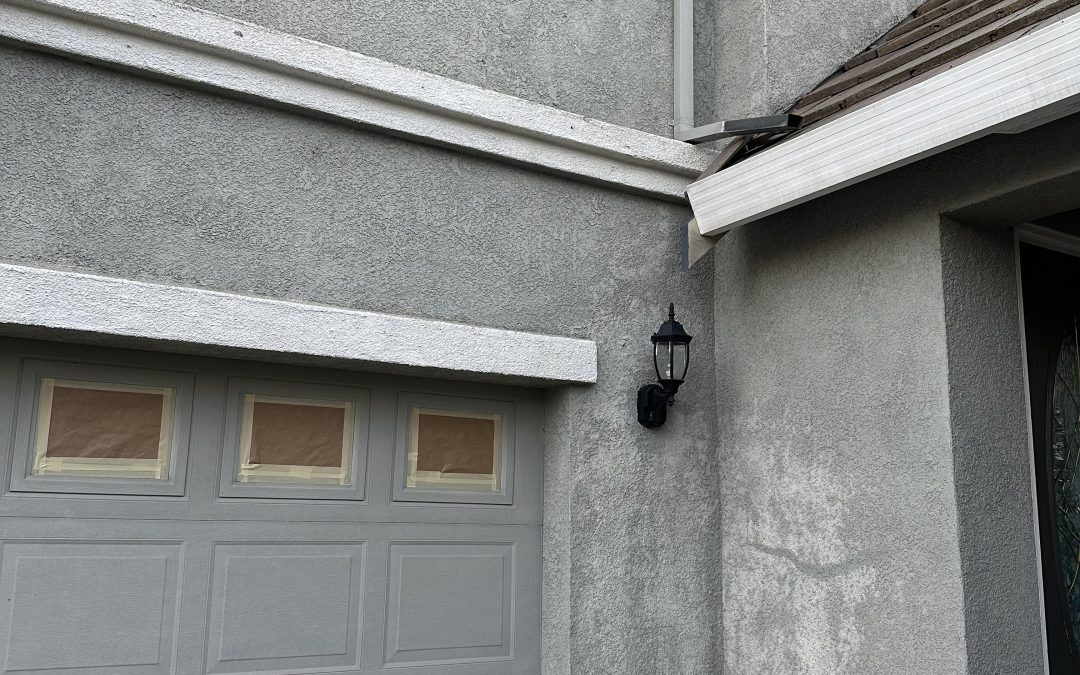
Fading exterior paint may seem like a cosmetic issue, but it can also be an early warning that the coating protecting your home is beginning to break down.
Exterior paint does more than provide color. It creates a protective barrier against sunlight, moisture, temperature changes, and everyday weather exposure. As that coating deteriorates, the surface beneath it can become increasingly vulnerable.
Fading does not always mean you need to repaint immediately. However, it is a sign worth paying attention to—especially when it is accompanied by chalking, cracking, peeling, or exposed material.
Why Does Exterior Paint Fade?
Exterior paint is constantly exposed to ultraviolet rays from the sun. Over time, UV exposure can break down the pigments that give paint its color and the resins that help the coating adhere to the surface.
This process can cause the color to become lighter, duller, or less consistent. A rich color may gradually look washed out, while different sides of the home may begin to appear noticeably different.
Several factors affect how quickly paint fades:
- The amount of direct sunlight the surface receives
- The quality and type of paint used
- The original color
- The condition and material of the surface
- The quality of the preparation and application
- Local weather and temperature extremes
- The age of the existing paint job
In the Sacramento and Placer County area, extended periods of intense summer sun can accelerate this process.
Some Sides of the Home Fade Faster
Exterior paint rarely ages evenly across the entire home. Southern and western exposures typically receive the strongest sunlight, particularly during the hotter afternoon hours.
These areas may fade faster than shaded walls or areas facing north. It is common for one side of a house to look noticeably lighter even though the entire exterior was painted at the same time.
The difference can be especially noticeable on homes with limited shade, darker colors, or surfaces exposed to reflected heat from concrete, pavement, or nearby structures.
Uneven fading is not necessarily evidence of poor application. However, it does show which areas of the home are experiencing the greatest weather exposure and may require attention first.
Dark and Vibrant Colors Can Show Fading More Clearly
All exterior colors can fade, but the change is often more noticeable with dark, deep, or vibrant colors.
Colors such as dark blue, charcoal, red, and deep brown absorb more heat and may show a greater visible difference as their pigments weather. Lighter and more neutral colors can fade as well, but the change may be less obvious.
Paint quality also matters. Higher-quality exterior coatings generally use more durable pigments and resins that are designed to provide better color retention. However, no exterior paint is completely immune to long-term UV exposure.
Choosing the right product and color for the home’s exposure can help reduce premature or highly noticeable fading.
Fading Can Signal That the Protective Coating Is Aging
Color loss is often one of the first visible signs that an exterior coating is getting older. As sunlight and weather gradually break down the paint, the coating may become less effective at protecting the surface beneath it.
Fading alone does not necessarily mean the paint has failed. A faded surface may still be properly adhered and providing some protection. However, fading should prompt a closer inspection for other signs of deterioration.
Look for:
- A powdery or chalky residue
- Small cracks in the coating
- Peeling or flaking paint
- Bare wood, stucco, or metal
- Cracked or separating caulking
- Bubbling or blistering
- Water stains or mildew
- Soft, swollen, or damaged wood
When fading appears alongside these conditions, the paint job may be moving beyond a cosmetic concern.
Fading and Chalking Are Not the Same Thing
Fading is a loss or change in color. Chalking is the formation of a powdery residue on the painted surface as the coating breaks down.
To check for chalking, gently rub a clean, dry hand or dark cloth across the exterior. If a noticeable powder transfers onto it, the surface may be chalking.
A limited amount of chalking can occur naturally as exterior paint ages. Heavy chalking, however, may indicate that the coating is significantly deteriorating.
Painting directly over a chalky surface can lead to adhesion problems. Proper cleaning and preparation are necessary before applying a new coating.
Paint Protects More Than the Appearance of Your Home
Exterior paint helps protect stucco, wood, siding, trim, fascia, and other materials from the elements. Once the coating begins to fail, moisture can reach the underlying surface more easily.
This is particularly important with wood. Exposed wood can absorb moisture, swell, crack, or begin to rot. Open joints and damaged caulking can also allow water to enter behind trim and around windows or doors.
Stucco may develop cracks that need to be repaired before repainting. Metal surfaces can become vulnerable to rust if the protective coating wears away.
Repainting before widespread failure develops is generally easier and less expensive than waiting until extensive scraping, priming, patching, or material replacement is required.
Can Faded Paint Be Touched Up?
Touching up faded exterior paint can be difficult. Even if you use the original product and color, the new paint may look darker or more vibrant than the surrounding surface because the existing coating has changed with age and sun exposure.
The new paint also may not match if the original paint was applied using a different method or if the sheen has weathered.
For a small, hidden area, a touch-up may be acceptable. On a highly visible wall, painting the entire section from one natural stopping point to another usually creates a more consistent finish.
If several sides of the home have faded unevenly, repainting the full exterior may be the better long-term option.
When Should You Consider Repainting?
There is no single repainting schedule that applies to every home. The lifespan of an exterior paint job depends on the product, preparation, surface, exposure, color, and previous condition of the property.
Fading may be primarily cosmetic when:
- The paint remains firmly attached
- There is little or no chalking
- Caulking is still intact
- No bare material is visible
- There are no signs of moisture damage
It may be time to repaint when:
- The color has faded significantly or unevenly
- Heavy chalking is present
- Paint is cracking, peeling, or blistering
- Wood, stucco, or metal is exposed
- Caulking is failing around windows, doors, or trim
- The exterior no longer repels moisture effectively
- Repairs are beginning to spread across multiple areas
A professional evaluation can help determine whether the home needs a complete repaint or whether targeted maintenance is still appropriate.
Do Not Wait for Widespread Peeling
Many homeowners wait until paint begins peeling throughout the exterior before scheduling a repaint. At that stage, the project may require significantly more preparation.
Peeling paint must be removed, loose edges may need to be feather-sanded, bare surfaces must be primed, damaged areas may require repair, and failed caulking must be replaced.
Addressing the exterior while the existing paint is still mostly intact can reduce the amount of corrective work required. It also helps protect the underlying materials before damage becomes more expensive.
Fading provides an opportunity to plan ahead instead of waiting for an urgent paint failure.
Inspect Your Exterior Regularly
Walk around your home at least once a year and compare the different sides. Look closely at areas that receive strong afternoon sun, repeated sprinkler exposure, or limited airflow.
Pay particular attention to fascia, trim, doors, garage doors, windows, and other detailed surfaces that may weather differently from the main stucco or siding.
Taking photographs from the same locations each year can make gradual color changes easier to recognize. It can also help you identify whether fading or deterioration is progressing quickly.
Protect Your Home Before Cosmetic Wear Becomes Damage
Fading paint is not always an emergency, but it should not be ignored. It is often one of the earliest visible signs that an exterior coating is aging under exposure to sunlight and weather.
The best time to repaint is generally before widespread peeling or surface damage occurs. Acting early can reduce preparation costs, protect the materials beneath the paint, and restore the home’s curb appeal.
At Dynamic Painting, Inc., we can inspect your exterior and help determine whether fading is cosmetic or part of a larger coating problem. We have served Roseville, Rocklin, Lincoln, and the surrounding Placer County area since 1997.
Call 916-626-9117 to schedule an exterior painting estimate.
Recent Comments