
A professional paint job can transform the appearance of your home, but a little routine care can help it stay fresh and protected for years. Dirt, moisture, direct sunlight, everyday wear, and delayed repairs can all shorten the life of painted surfaces.
Fortunately, maintaining a new paint job does not require a complicated routine. Regular cleaning, occasional inspections, and quick attention to minor damage can protect your investment and help you avoid more expensive repairs later.
Allow the Paint to Fully Cure
Paint may feel dry within a few hours, but that does not mean it has fully cured. Curing is the process through which paint reaches its final hardness and durability.
The exact curing time depends on the product, temperature, humidity, ventilation, and the surface being painted. Some paints may take several days or even a few weeks to fully cure.
During this period:
- Avoid aggressively scrubbing painted surfaces
- Be careful when moving furniture against walls
- Do not attach adhesive hooks or tape too quickly
- Avoid exposing the surface to unnecessary moisture
- Follow any project-specific instructions from your painter
Giving the paint enough time to cure helps prevent marks, peeling, and damage to the new finish.
Clean Interior Walls Gently
Over time, interior walls can collect dust, fingerprints, food splatters, and scuff marks. Occasional cleaning can keep the color looking fresh, particularly in kitchens, bathrooms, hallways, and children’s rooms.
Begin with a soft microfiber cloth or sponge and a small amount of water. If more cleaning is needed, use a mild soap solution and test it on an inconspicuous area first.
Avoid abrasive scrubbers, harsh chemicals, and aggressive rubbing. These can change the sheen, create shiny spots, or remove some of the paint.
Flat finishes are generally more sensitive to cleaning, while eggshell, satin, and semi-gloss finishes are typically easier to wipe down. This is one reason we often recommend eggshell for interior walls. It provides some washability without appearing overly shiny.
Address Scuffs and Marks Early
Small scuffs are usually easier to remove when they are treated quickly. Allowing dirt, grease, or stains to remain on the surface may make them more difficult to clean later.
When cleaning does not solve the problem, a small touch-up may be appropriate. However, touch-up paint does not always blend perfectly with the surrounding wall. The original paint may have faded slightly, and differences in the application method or sheen can make the repaired area visible.
For the best match, use the original paint product, color, sheen, and application method. On highly visible walls, repainting the entire wall from corner to corner may provide a more consistent appearance than touching up one isolated spot.
Save Your Touch-Up Paint and Color Information
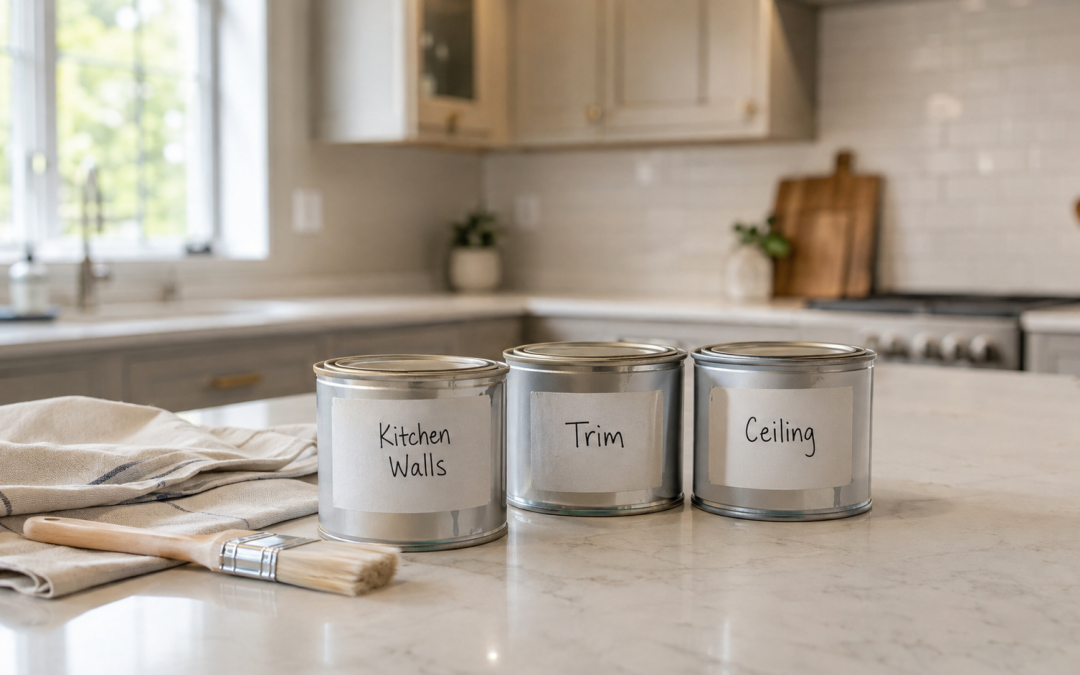
At Dynamic Painting, Inc., we always provide customers with leftover touch-up paint whenever possible. Each can is clearly labeled so you know exactly which room, surface, or exterior area it was used on. This makes future touch-ups much easier and helps prevent confusion between similar colors or finishes.
Store the paint in a dry, temperature-controlled location where it will not freeze or be exposed to extreme heat. Before using older paint, check for an unusual odor, lumps, or other signs that it is no longer usable.
Even with the original paint, a touch-up may not blend perfectly if the surrounding surface has faded or aged. For highly visible areas, repainting the entire wall from corner to corner may provide a more consistent finish.
Keep Moisture Under Control
Moisture is one of the greatest threats to both interior and exterior paint. Paint can provide protection, but it cannot permanently stop an active leak or ongoing water intrusion.
Watch for signs such as:
- Bubbling or peeling paint
- Brown or yellow stains
- Soft or swollen wood
- Cracked or separating caulk
- Mildew or recurring discoloration
- Damp areas around windows and doors
Possible sources include plumbing leaks, roof problems, failed caulking, damaged gutters, sprinklers, and poor ventilation. Repair the source of the moisture before repainting the damaged area. Otherwise, the problem is likely to return.
Bathrooms, kitchens, and laundry rooms should also have adequate ventilation to reduce excess humidity.
Wash Exterior Surfaces as Needed
Exterior paint naturally collects dirt, dust, pollen, cobwebs, and environmental buildup. In the Sacramento and Placer County area, dry summers can leave noticeable dust on siding, stucco, trim, doors, and covered entryways.
Occasional gentle washing can help preserve the home’s clean appearance. A garden hose and soft brush may be enough for light buildup. If a cleaning solution is needed, choose one that is appropriate for the painted surface.
Pressure washing should be handled carefully. Excessive pressure or an incorrect spray angle can damage paint, stucco, wood, caulking, and seals around windows. If you are unsure, consider having the exterior professionally cleaned.
Inspect the Exterior Once a Year
A yearly inspection can identify small maintenance concerns before they become larger problems. Walk around the home and look closely at areas that receive intense sunlight or frequent moisture.
Pay particular attention to:
- Peeling, cracking, or blistering paint
- Fading on walls with heavy sun exposure
- Open gaps around windows and doors
- Cracked or missing caulking
- Exposed wood or bare surfaces
- Rust beginning to appear on metal
- Damaged fascia, trim, or siding
- Water collecting near the home
- Plants or tree branches rubbing against painted surfaces
Southern and western exposures often receive the strongest afternoon sun and may weather faster. In Sacramento’s hot summers, regular inspections of these areas are especially important.
Maintain Caulking and Exterior Repairs
Caulking helps limit water intrusion around windows, doors, trim, and other exterior joints. It can shrink, crack, or separate over time as the home expands and contracts.
Replacing failed caulking promptly can help prevent water from reaching the materials beneath the paint. Damaged wood, stucco cracks, failing gutters, and roof leaks should also be repaired as soon as possible.
Paint protects a properly prepared surface, but it cannot correct an underlying building or moisture problem.
Keep Sprinklers and Landscaping Away From the House
Sprinklers that repeatedly spray the home can contribute to staining, mineral deposits, mildew, and premature paint failure. Adjust sprinkler heads so that water is directed toward the landscaping instead of the building.
Trim bushes, vines, and tree branches so they do not rub against painted surfaces. Vegetation touching the home can trap moisture, restrict airflow, and scratch or wear away the coating.
Leaving some space between landscaping and the exterior also makes it easier to inspect the home for maintenance concerns.
Be Careful With Pressure and Impact
Painted surfaces can be damaged by ladders, patio furniture, hoses, sports equipment, trash cans, and tools leaning against the home. Inside, furniture, vacuums, toys, and pet activity can create dents and scuffs.
A few simple precautions can make a difference:
- Use furniture pads where chairs or tables contact walls
- Install doorstops where handles could strike the wall
- Avoid leaning tools or ladders against painted surfaces
- Keep grills and heat-producing equipment away from the exterior
- Move outdoor furniture carefully instead of dragging it against the house
Make Small Repairs Before They Spread
A small chip or crack may seem cosmetic, but exposed material can allow moisture to enter beneath the surrounding paint. Once peeling begins, the affected area can expand.
Minor problems are generally easier and less expensive to correct when they are addressed early. Depending on the damage, the repair may require cleaning, scraping, sanding, priming, caulking, patching, and repainting.
If the cause of the damage is unclear or the affected area is growing, contact a professional painter before covering it with new paint.
Know When It Is Time to Repaint
Even a properly maintained paint job will not last forever. Exterior paint is continuously exposed to sunlight, heat, rain, moisture, and temperature changes. Interior paint experiences wear from daily living, cleaning, and contact.
Signs that it may be time to repaint include widespread fading, chalking, peeling, cracking, permanent stains, damaged caulking, or a finish that no longer cleans well.
The lifespan of a paint job depends on the coating, preparation, surface material, exposure, color, and previous condition of the home. Regular maintenance cannot eliminate normal aging, but it can help the coating perform better and prevent avoidable damage.
Protect Your Investment
The best maintenance plan is simple: keep painted surfaces reasonably clean, control moisture, inspect the exterior regularly, and address damage before it spreads.
At Dynamic Painting, Inc., we believe a quality paint job should provide lasting protection and a finish you can enjoy for years. If you notice peeling, fading, damaged caulking, or another concern with your interior or exterior paint, we can evaluate the area and recommend the appropriate next step.
Dynamic Painting, Inc. has served Roseville, Rocklin, Lincoln, and the surrounding Placer County area since 1997. Call 916-626-9117 to schedule an estimate.
Recent Comments